Work together
What it is like to work with the studio.
Not a services page. A description of how a collaboration with Fores3 actually feels, from the first honest conversation to the software that follows.

How this begins
An unhurried conversation.
Every collaboration begins the same way, with a conversation, in plain language, about what you are actually trying to do. No intake form, no discovery deck, no sales stage. A single hour is usually enough for both of us to know whether this is the right room.
If it is, we say so and describe what the next step might look like. If it is not, we say so too, and try to point you toward someone who can help. Both answers are useful; only one of them is honest by accident.
The best engagements begin as questions, not requests.
Four ways to work
Same mindset. Different distance.
Every engagement carries the same care. What changes is the scale, the length, and how close we sit to your team.
- I.
Build together
For founders, ambitious companies and internal innovation teams. We move from a rough idea to working software, with a small team that stays close to the work the whole way through.
Typical shape · Eight to sixteen weeks · One small team
- II.
Private advisory
A recurring, one-to-one conversation about strategy, product direction, AI-native transformation, repositioning and the decisions that actually matter. Founder sparring, quiet, honest, ongoing.
Typical shape · Monthly · By introduction
- III.
Team workshops
Practical, interactive sessions that help teams rethink how software and AI change the way they work. Built around your real situations, not slides, not vendor tours, not a shared reading list.
Typical shape · Half or full day · In person when possible
- IV.
Vibe code rescue
For teams already building with Lovable, Claude Code, Cursor, Supabase or modern AI tooling, and stuck between an idea and a codebase that holds. Architecture, UX, structure, product thinking, refinement.
Typical shape · Two to six weeks · Focused
How we think
Six beliefs, held quietly.
Not slogans. Just how the work is done, repeated here because it saves everyone time to say them out loud.
- 01
We understand before we build.
Most engagements begin with weeks of listening, not a scope. The question is nearly always more valuable than the deliverable it points to.
- 02
We build with people, not for them.
You are in the room, in the repository, in the decisions. Handoffs are where care goes to die, and we do not pretend otherwise.
- 03
We challenge ideas, not people.
If we disagree with the direction, we will say so, plainly and early. The work is a shared act; the ideas belong to whoever thought of them.
- 04
We prefer clarity over complexity.
Simple software is not lesser software. It is harder to make, and worth more when it lands.
- 05
We build from practice.
Everything we recommend, we use. Our own products in Labs are where our advice is quietly stress-tested before it reaches you.
- 06
We stay curious.
We would rather change our minds well than defend a position for its own sake. The field is moving quickly; the honest answer often does too.
How we work
A quiet rhythm, in five stages.
Not a rigid process. A shape to help both sides know where they are in the work, and where they are heading.
- 01
Discover
A period of listening. We spend time with your team, your customers, your product, until we can describe the situation better than you can.
- 02
Reposition
A short written point of view on what to build, what to stop, and where AI honestly belongs. A clarifying document, not a deck to admire.
- 03
Design
The shape of the thing. Interfaces, flows, the language it speaks, the decisions it makes for you and the ones it leaves alone.
- 04
Build
Small team, close to the code. Short cycles, quiet iteration, a working thing at the end of each, until there is something worth shipping.
- 05
Evolve
We stay long enough to see whether the work actually holds. What we learn goes back into your product, and into the next thing we build with someone else.
Who we work best with
A recognition, not a checklist.
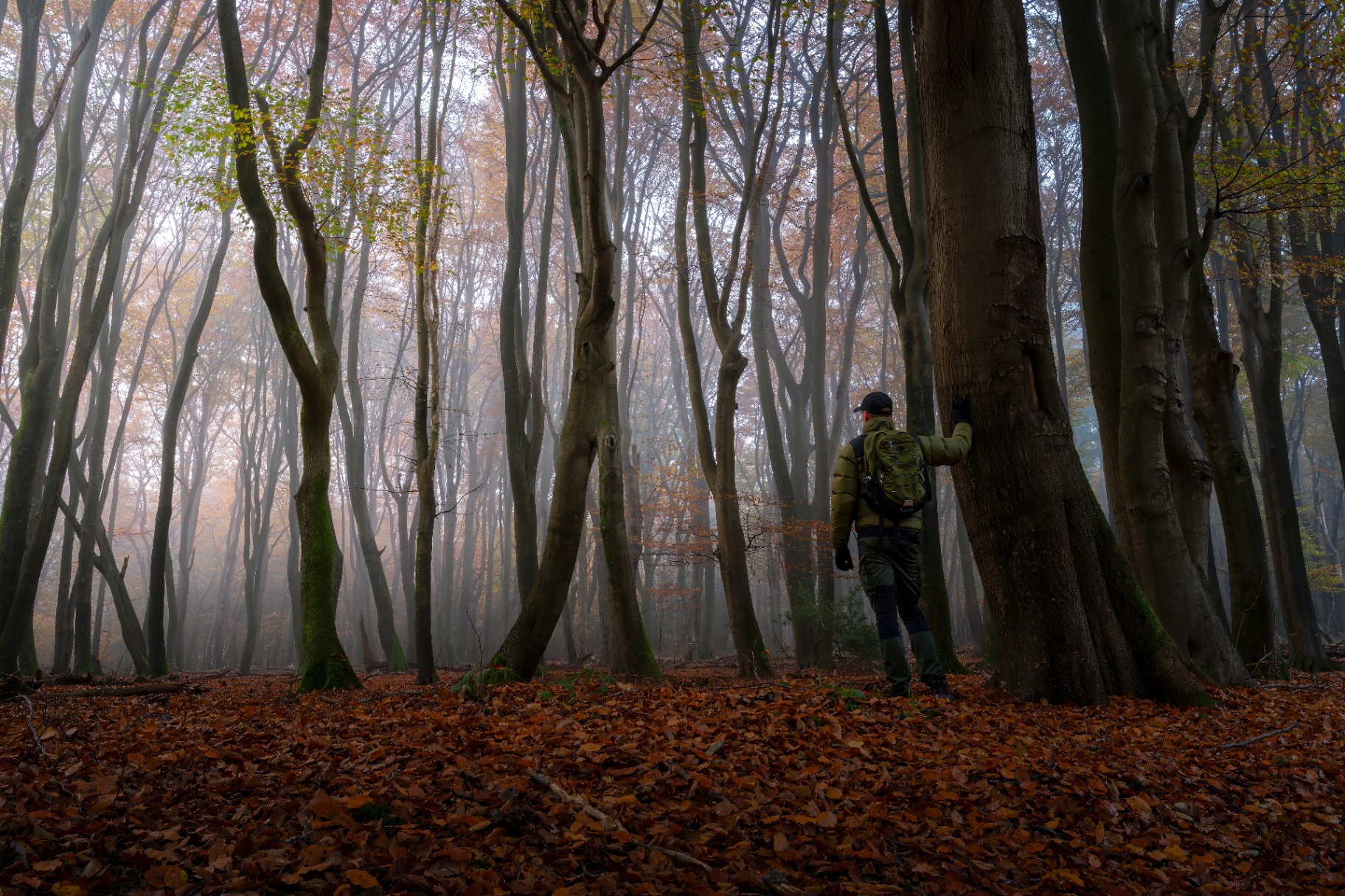
The best work tends to happen with a certain kind of person. Not a profile, a disposition.
Curious people. Founders and leaders who are still asking questions, about their market, their product, the tools they use, long after the answers would have been convenient.
Builders. Teams who care how the thing is made, not only what it does. People who read the code, or the copy, or the log file , and notice when something feels off.
Long-term thinkers. Companies willing to spend a week on a question rather than a quarter on the wrong answer. People who understand that craft compounds, quietly, over years.
People willing to question their own assumptions. The best engagements start with someone saying, plainly: I am no longer sure this is the right thing to build.
What a collaboration actually asks
An even exchange, said out loud.
Trust rests on knowing what each side is bringing to the table. Here is ours, and here is what we need from you.
What you can expect from us
- A small team. The people you meet are the people who ship.
- Written thinking. A short, plain document at every important decision.
- Honest answers. Especially when the honest answer is uncomfortable.
- A pace that matches the work, not the calendar.
- The right to say no, on your behalf, when it is the right call.
What we ask of you
- Time. Real conversations, not delegated ones.
- Access. To the customers, the code, the numbers, the doubts.
- Patience for the first weeks, which are usually quieter than expected.
- A willingness to be told, occasionally, that the plan should change.
- A shared belief that craft matters, even when nobody is watching.
A note on scope
We say no often.
We are a small studio, on purpose. We take on a small number of engagements each year so the work stays honest. If we cannot do good work with you now, we will say so, and, when we can, point you somewhere useful.
If you recognise the studio in the way we work come and start a conversation.